Criollo
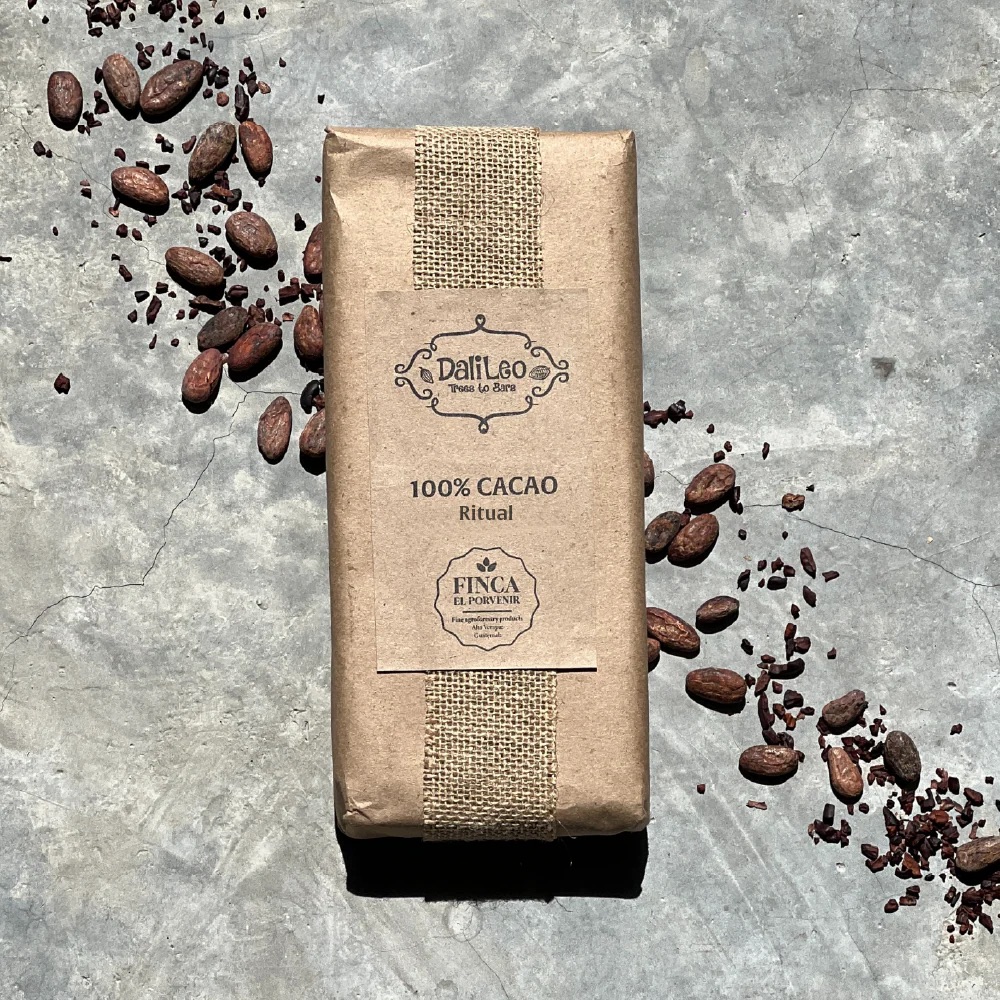
DaliLeo100% Cacao Block
Finca El Porvenir · Alta Verapaz
floral · mild · hardly bitter
42 €450 g
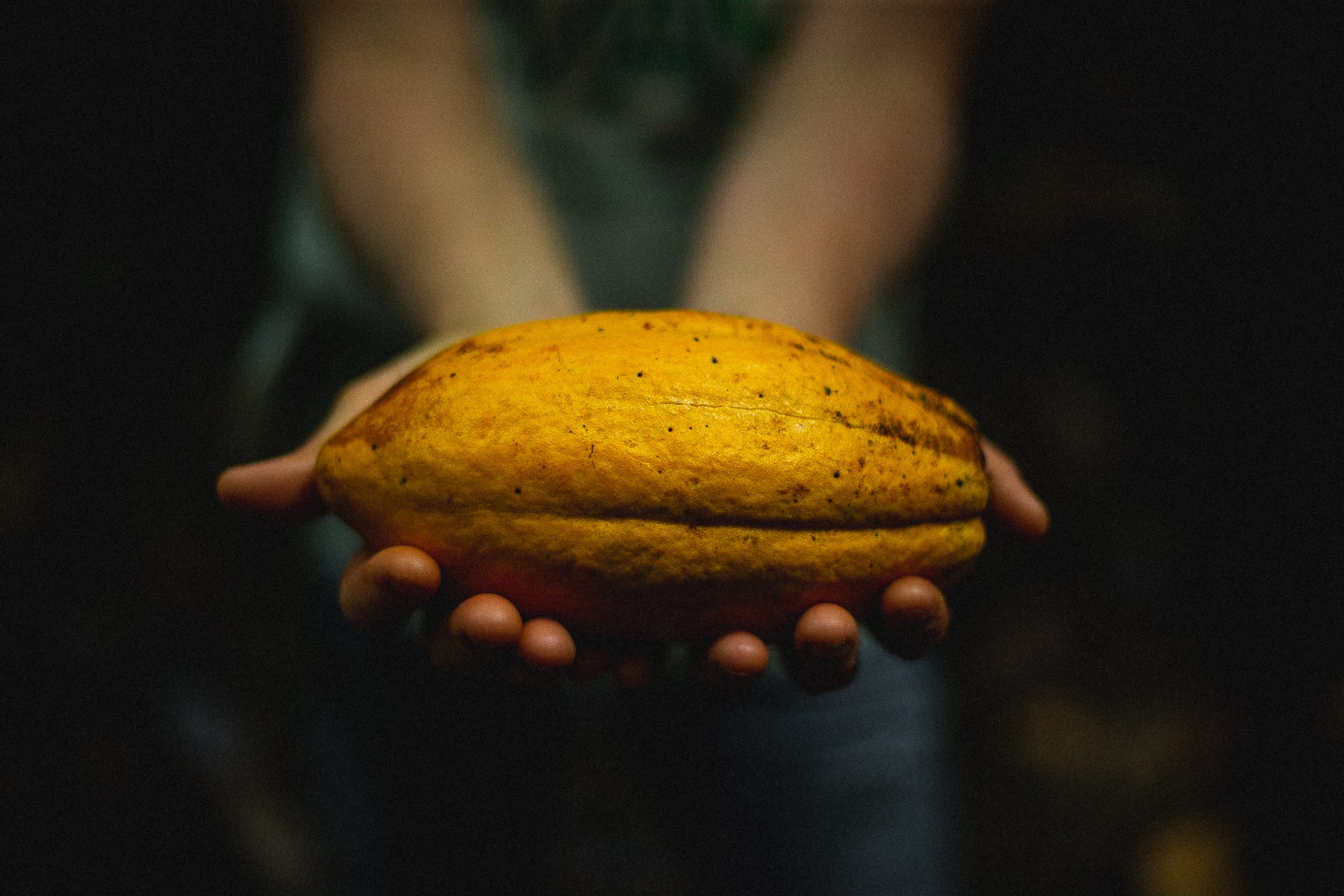
Ceremonial cacao from agroforestry –
from two farms in Guatemala straight to you.
Scroll down to our roots.
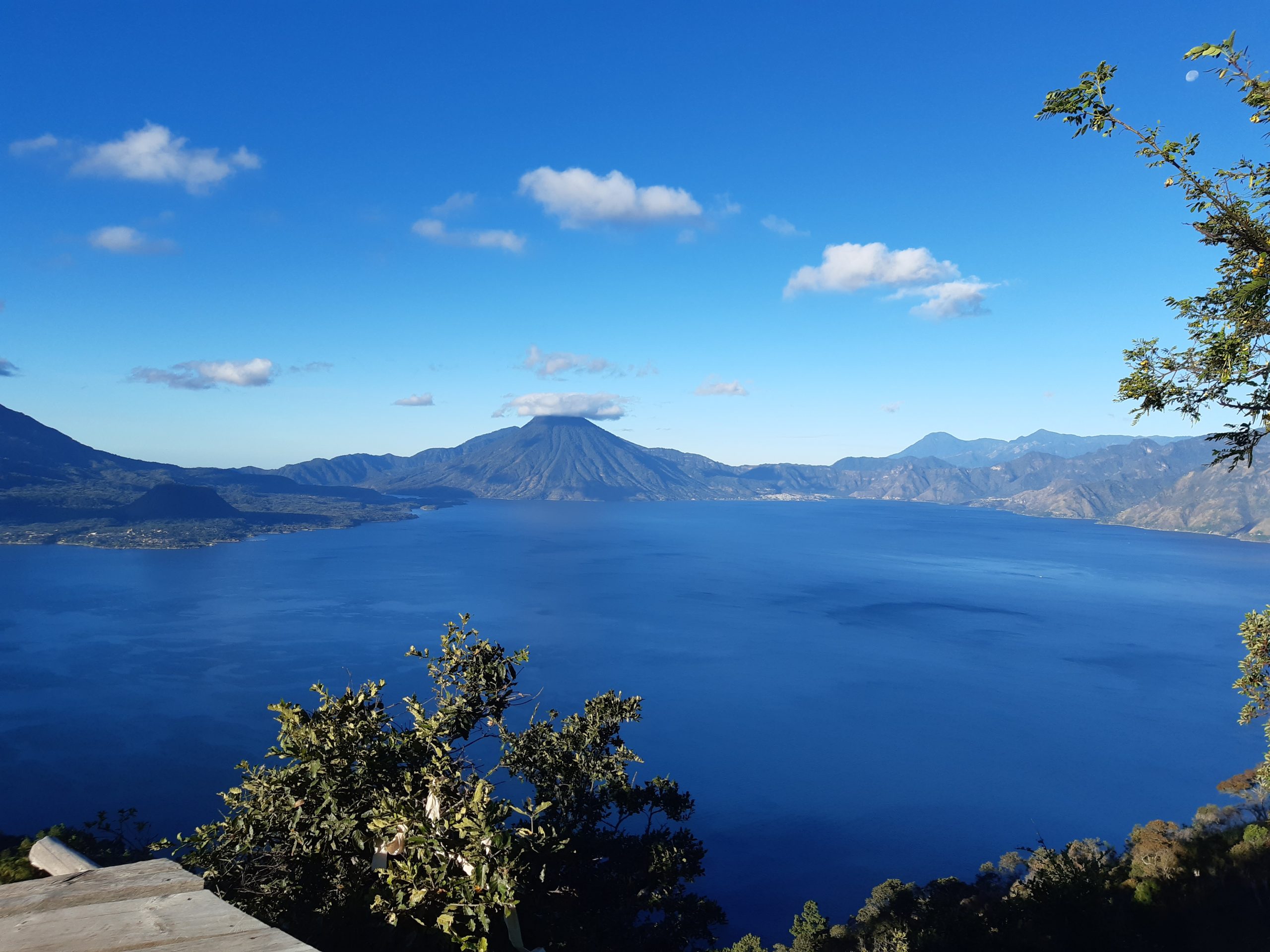
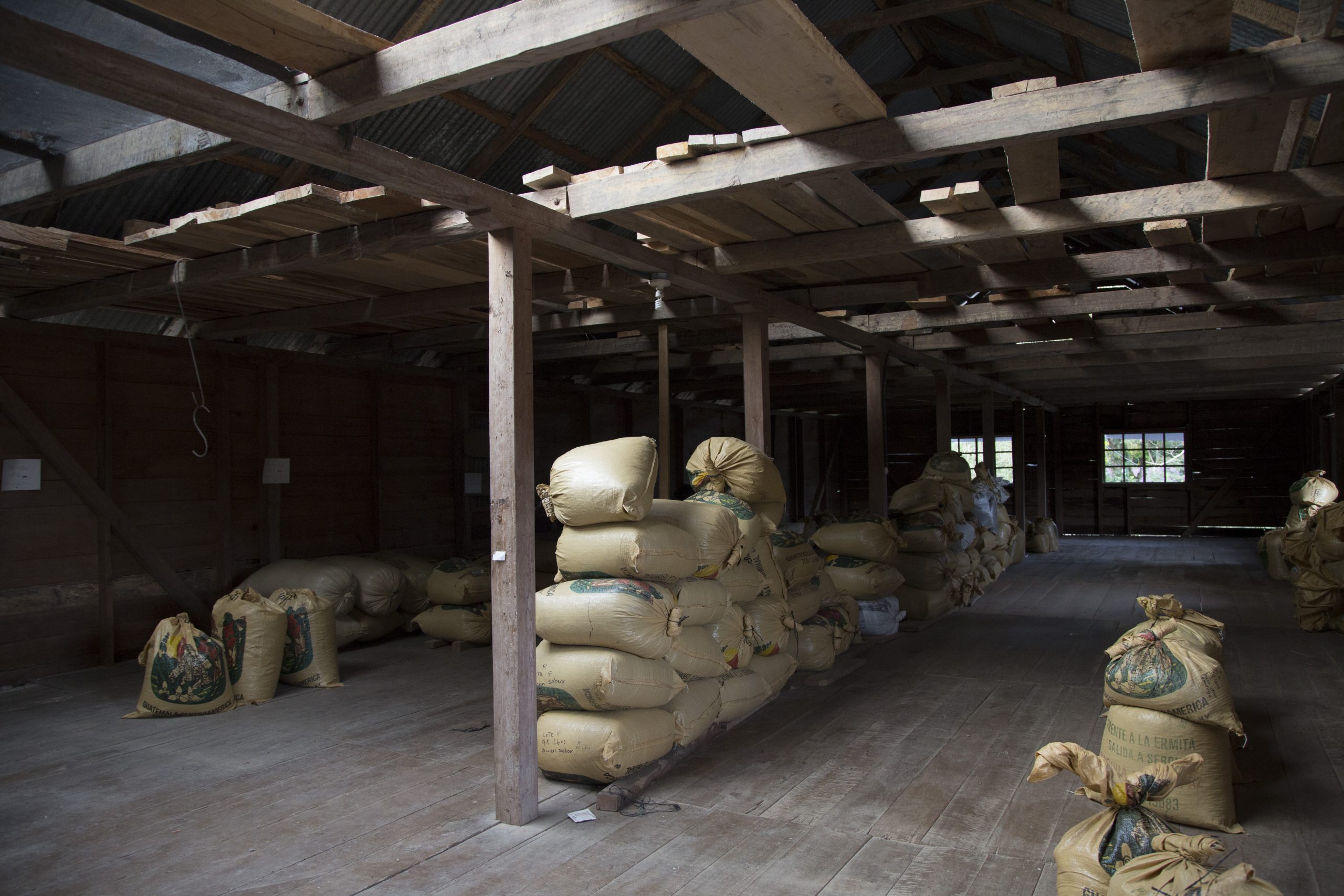
Finca El Porvenir · Alta Verapaz
floral · mild · hardly bitter
Antigua workshop · Spiced Maya cacao
spicy
slightly hot
sweetened with Panela
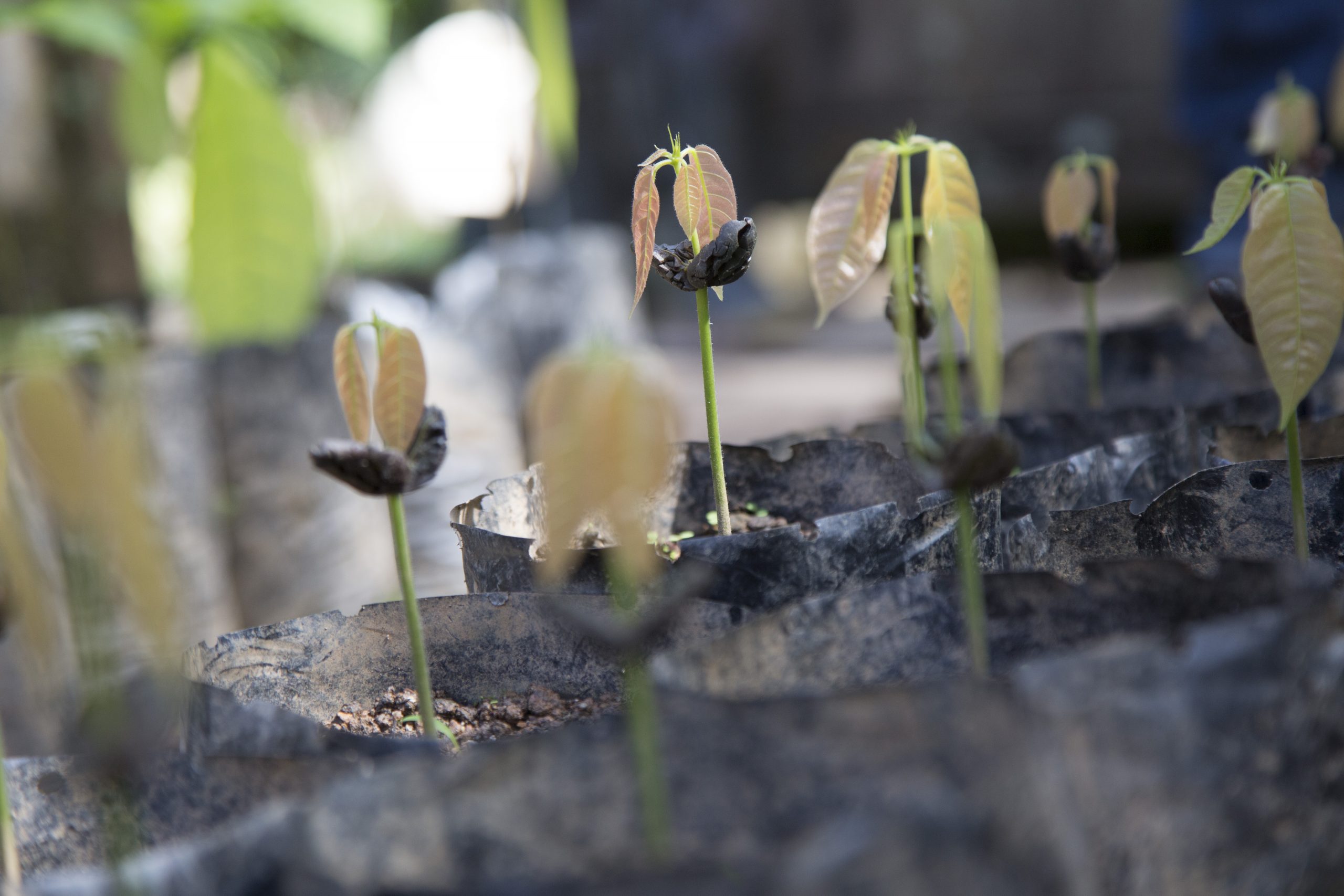
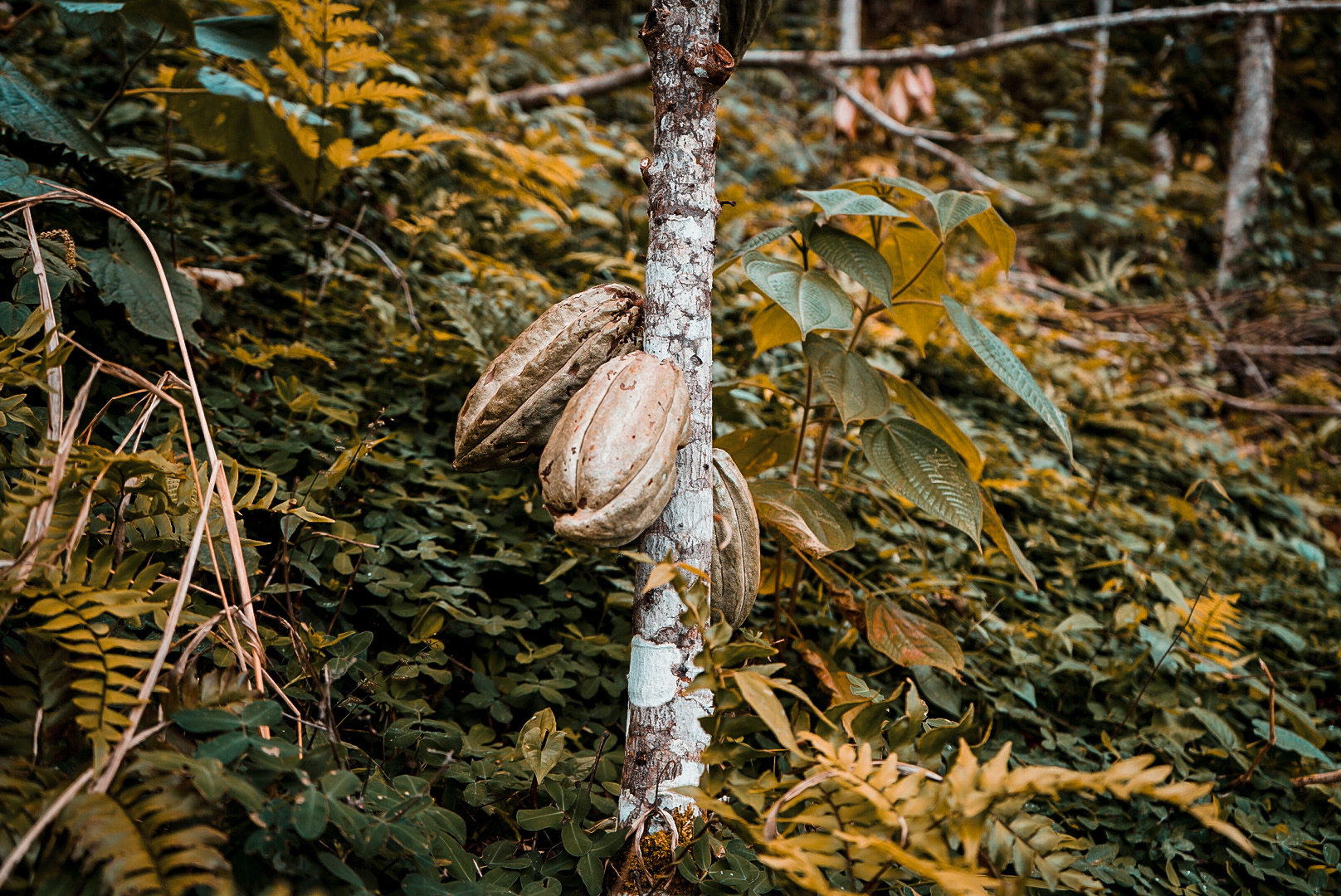
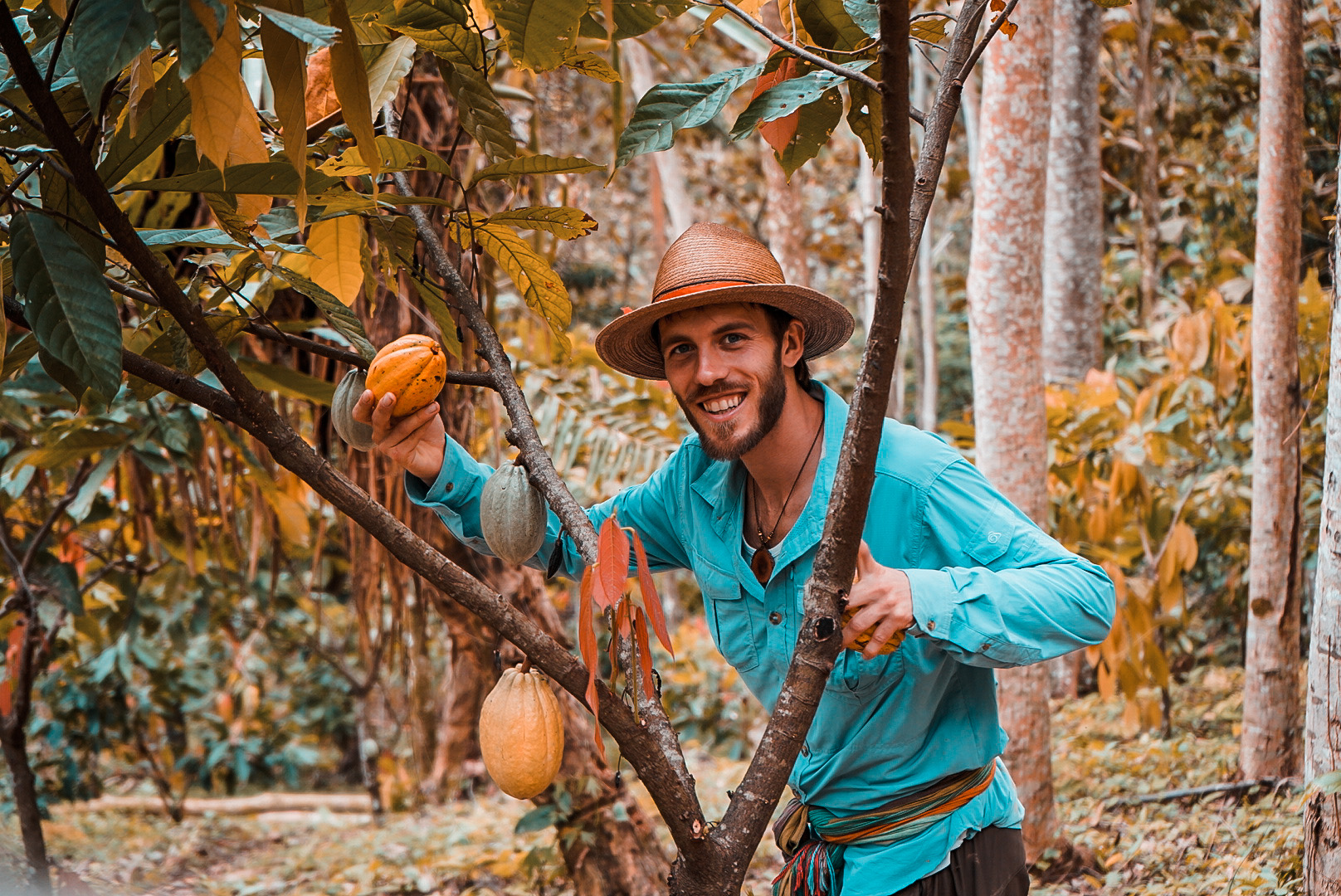
Our cacao grows sheltered in the shade of other trees – as part of an agroforestry system. For us, it’s not just about cacao but about the whole ecosystem around it: the trees give each other shade, keep more water in the soil and create a microclimate in which nature and people can thrive.
We currently represent two cacao producers from Guatemala. Both preserve heritage varieties – and find innovative ways to carry them forward.
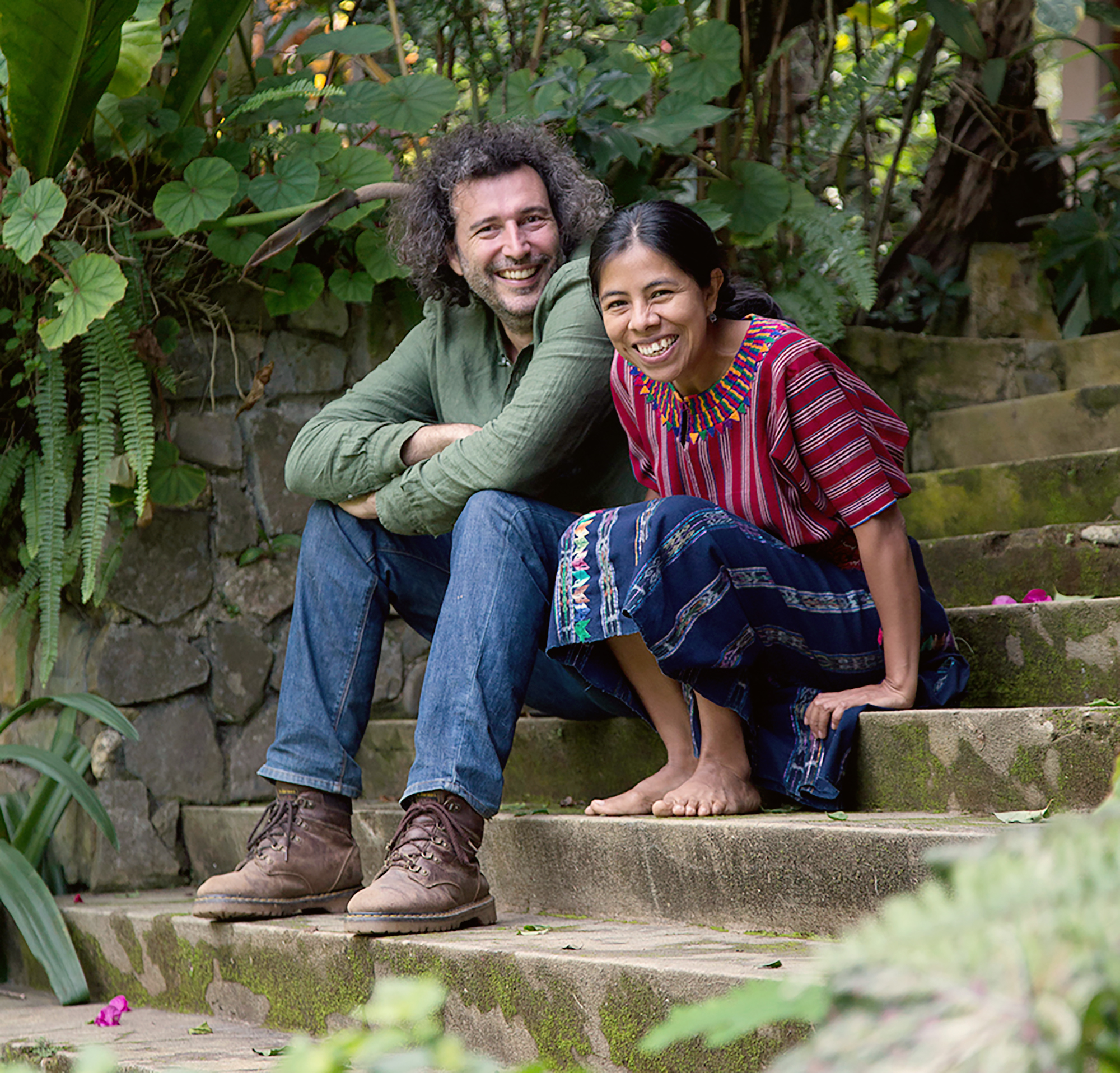
An exhausted coffee plantation, brought back to life by a cacao agroforestry system.
Beronica and Lorenzo reforested the plantation and are bringing back the endangered Criollo cacao in an agroforestry system. The farm runs on its own hydroelectric power plant – self-sufficient, from bean to block.
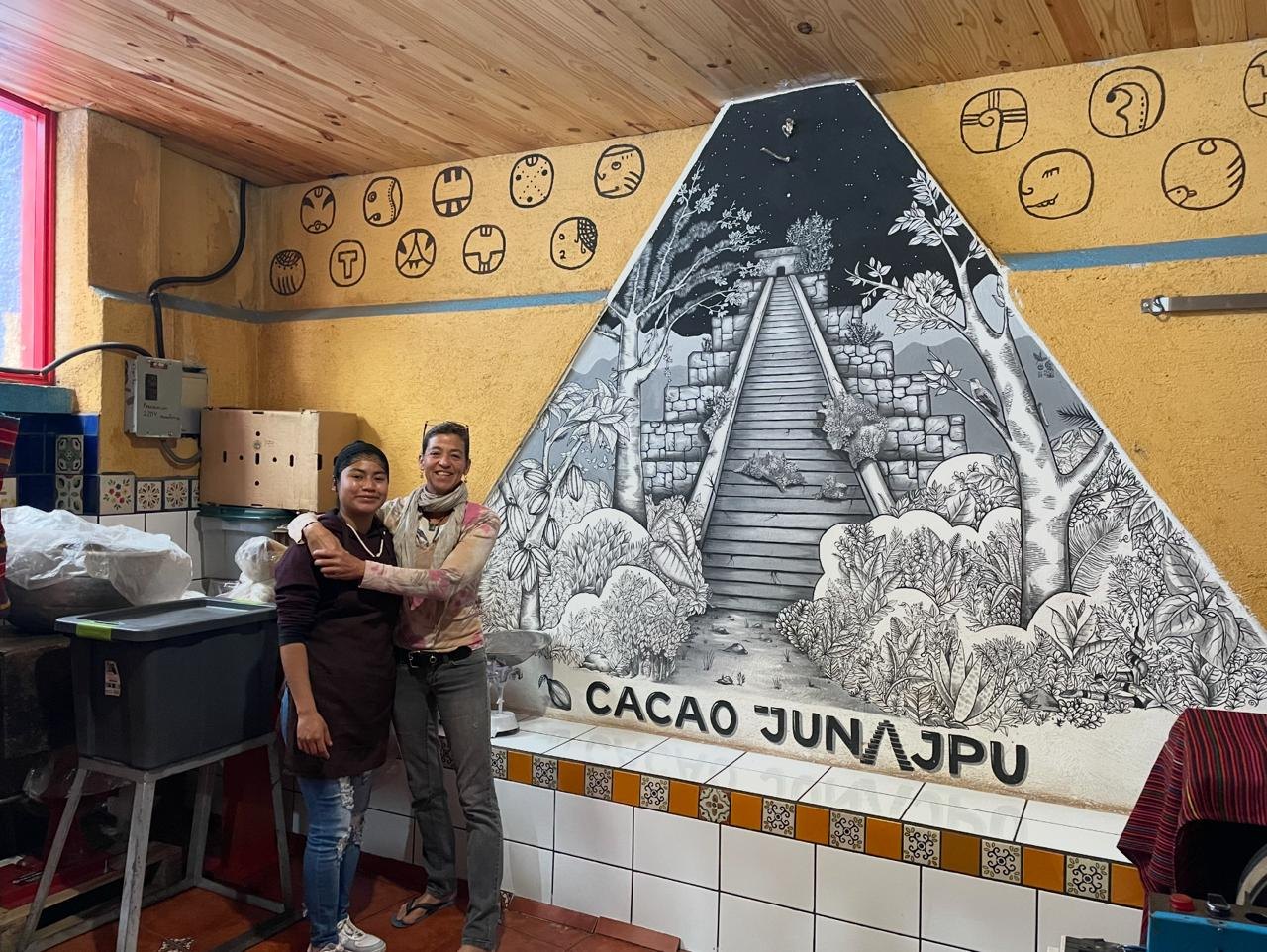
Heritage cacao, individually spiced and blessed with fire.
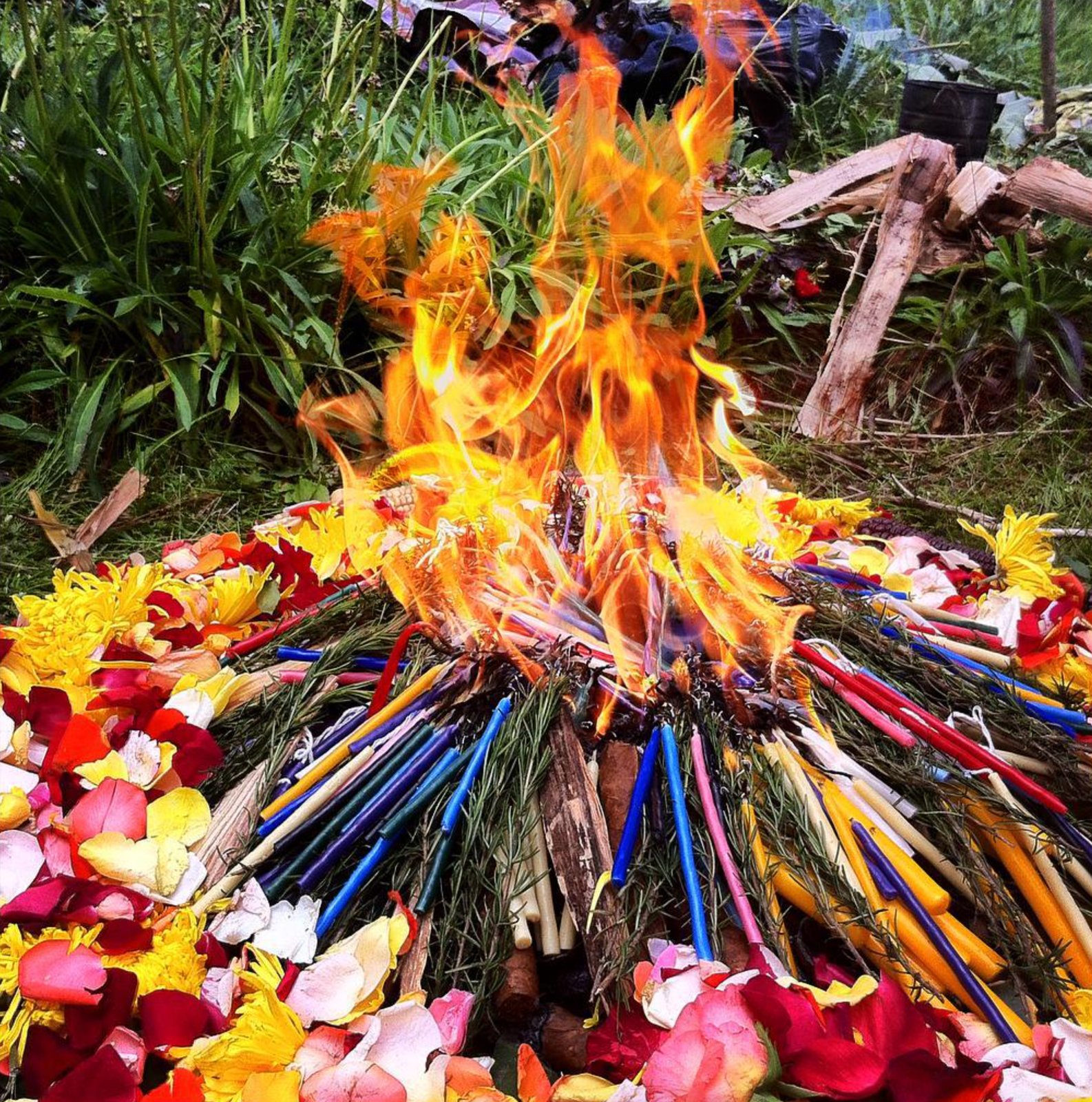
Almost two decades ago, Gg came to Guatemala as a journalist, following the traces of the Maya – and stayed. Today she is an Ajq’ij, a day-keeper of the Maya calendar, and blesses every batch with a fire ceremony.
Every cacao pod is harvested and sorted by hand.
100% Criollo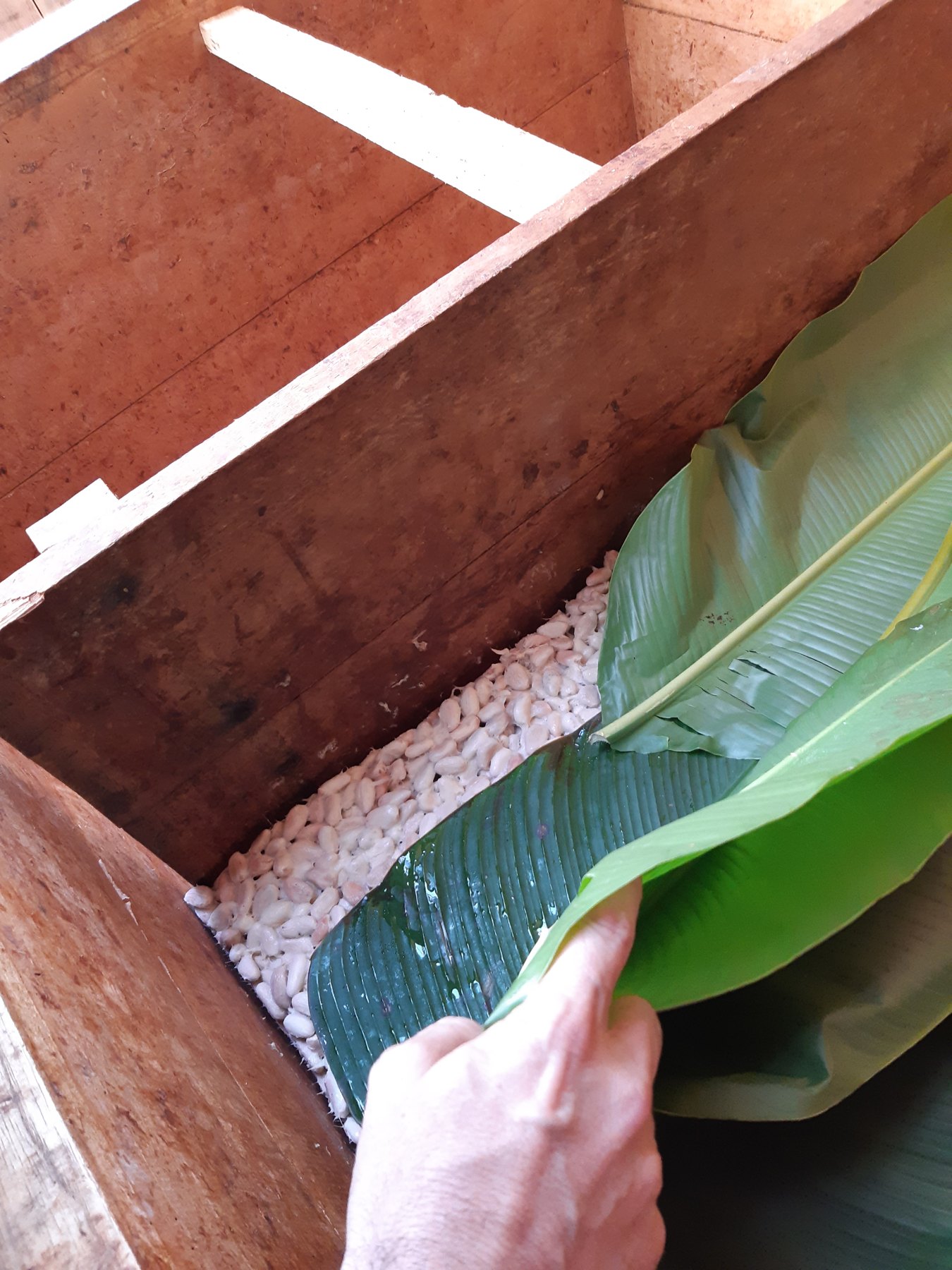
The beans ferment under banana leaves and then dry in the sun.
Sun-dried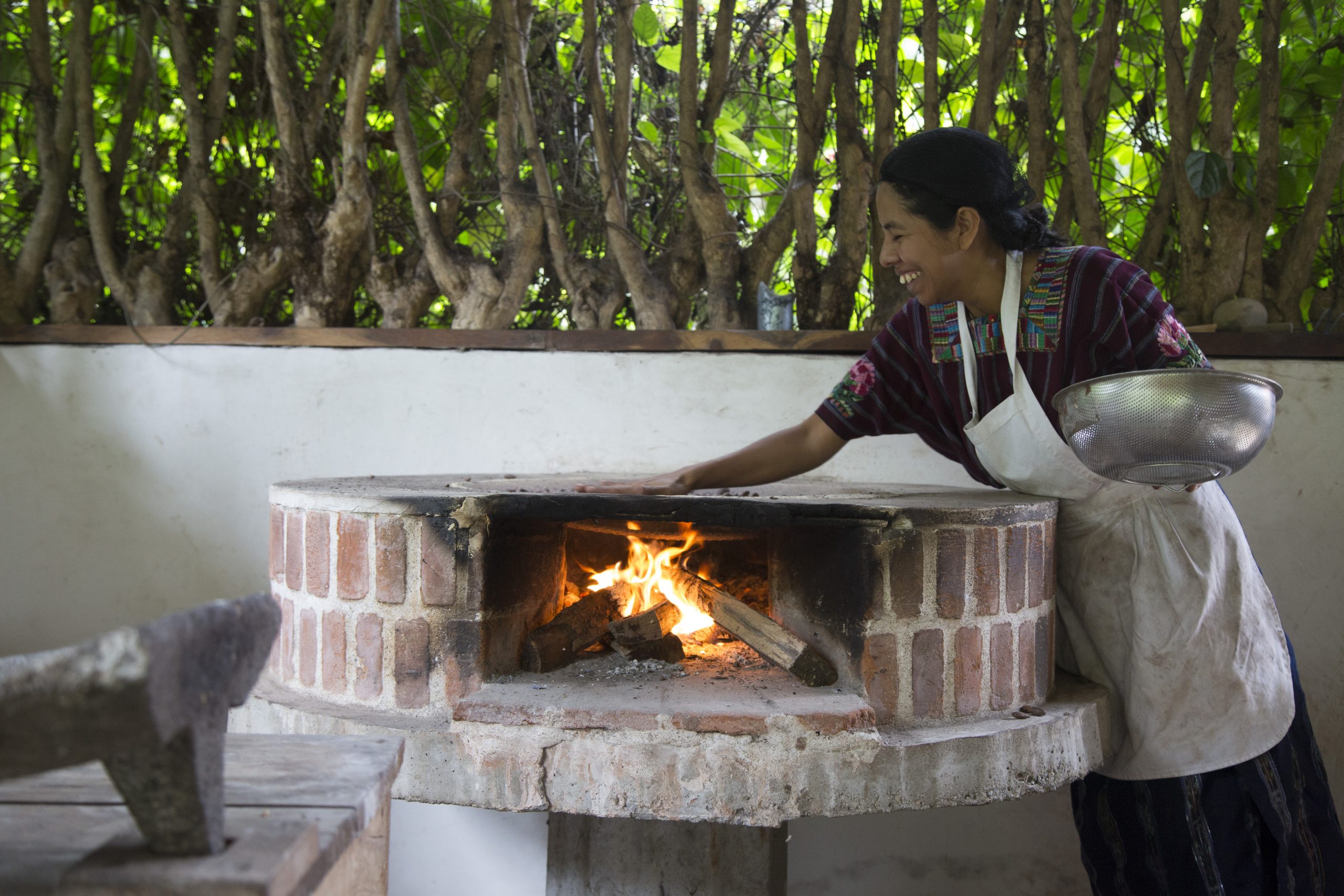
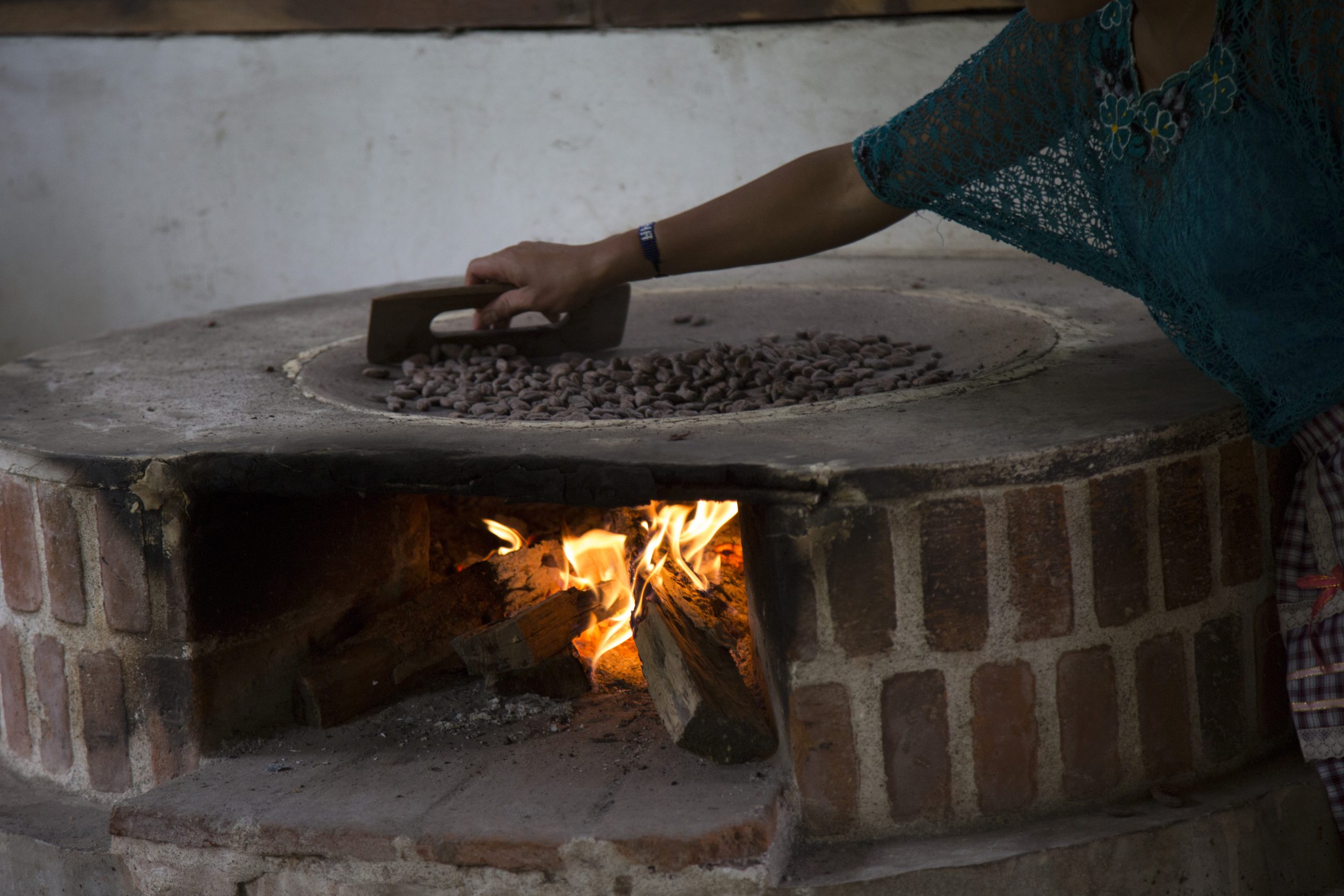
The beans are roasted by hand over an open fire – lightly, so that their character and nutrients are preserved.
Hand-roasted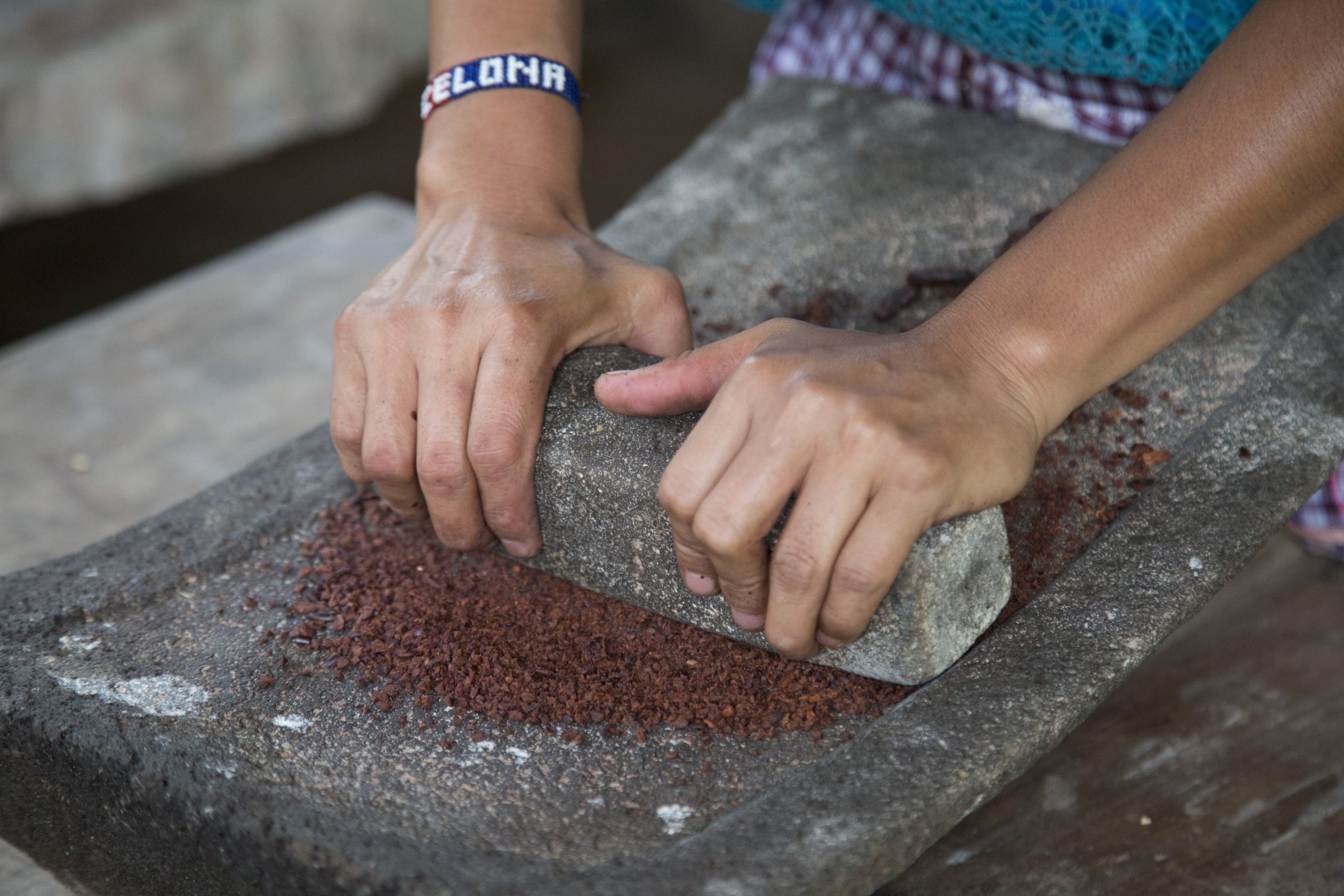
The beans are then ground very finely in stone mills for up to 72 hours.
Stone-ground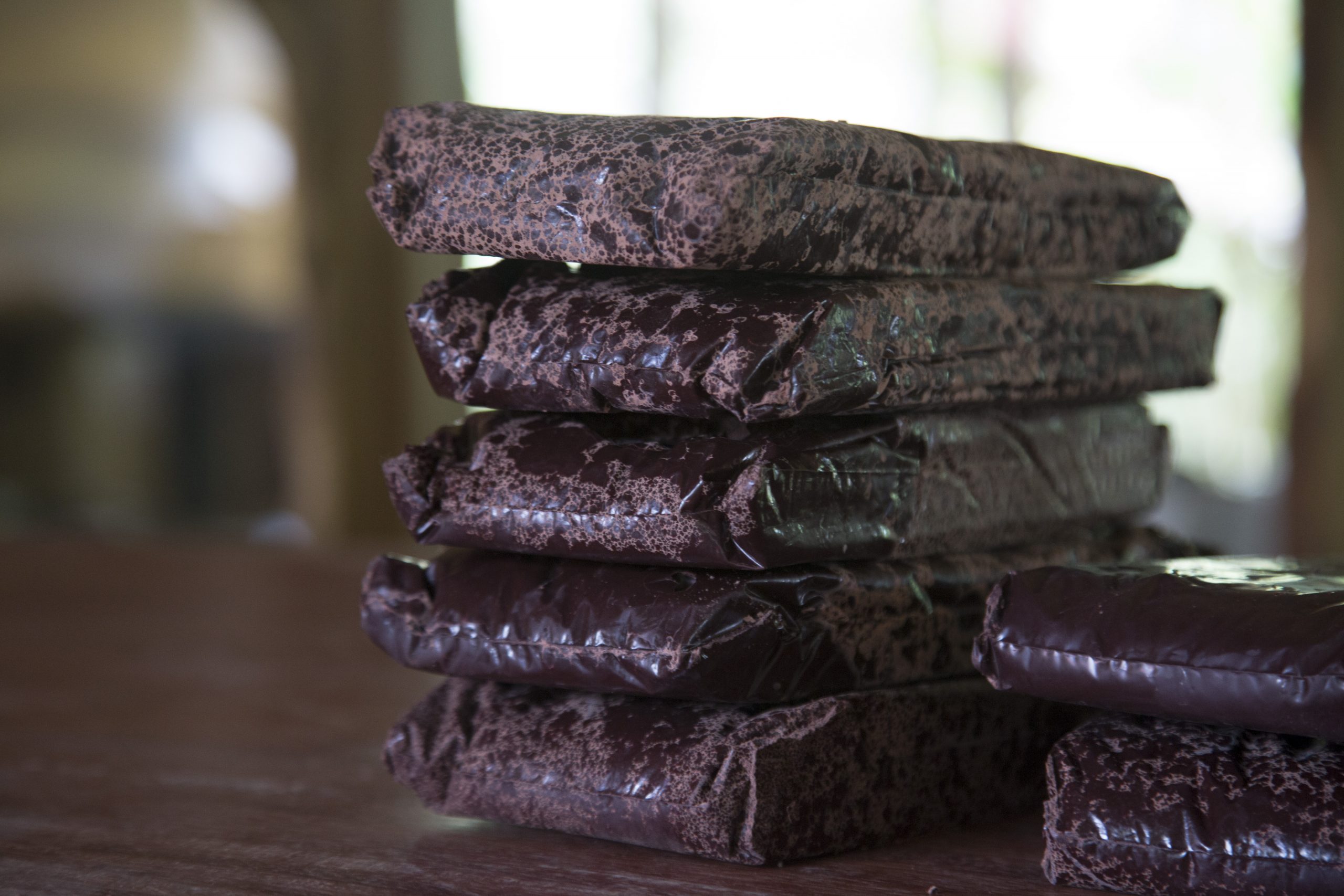
Still warm from the grinding, the cacao mass is shaped into blocks with all its components.
0 chemicals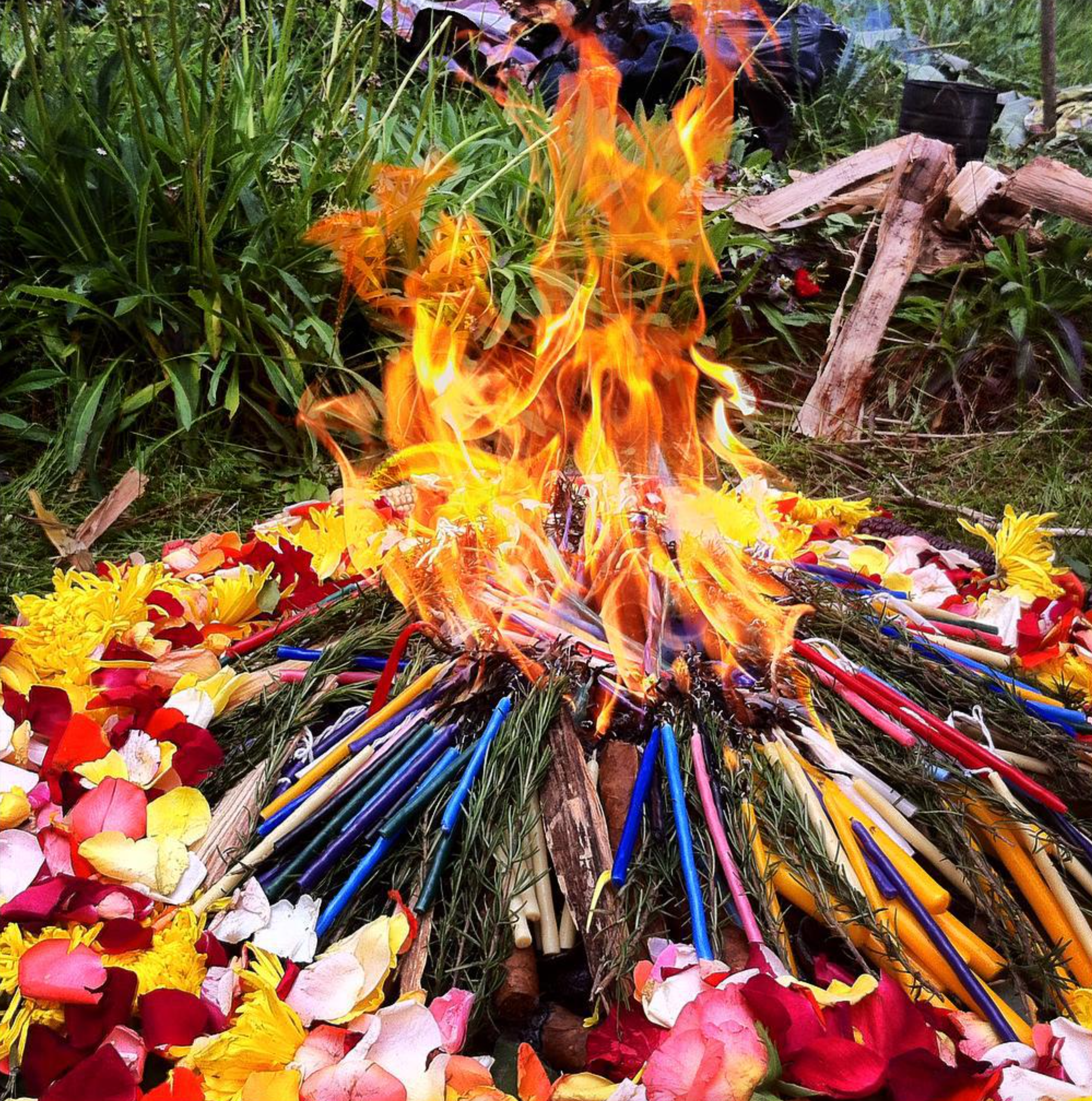
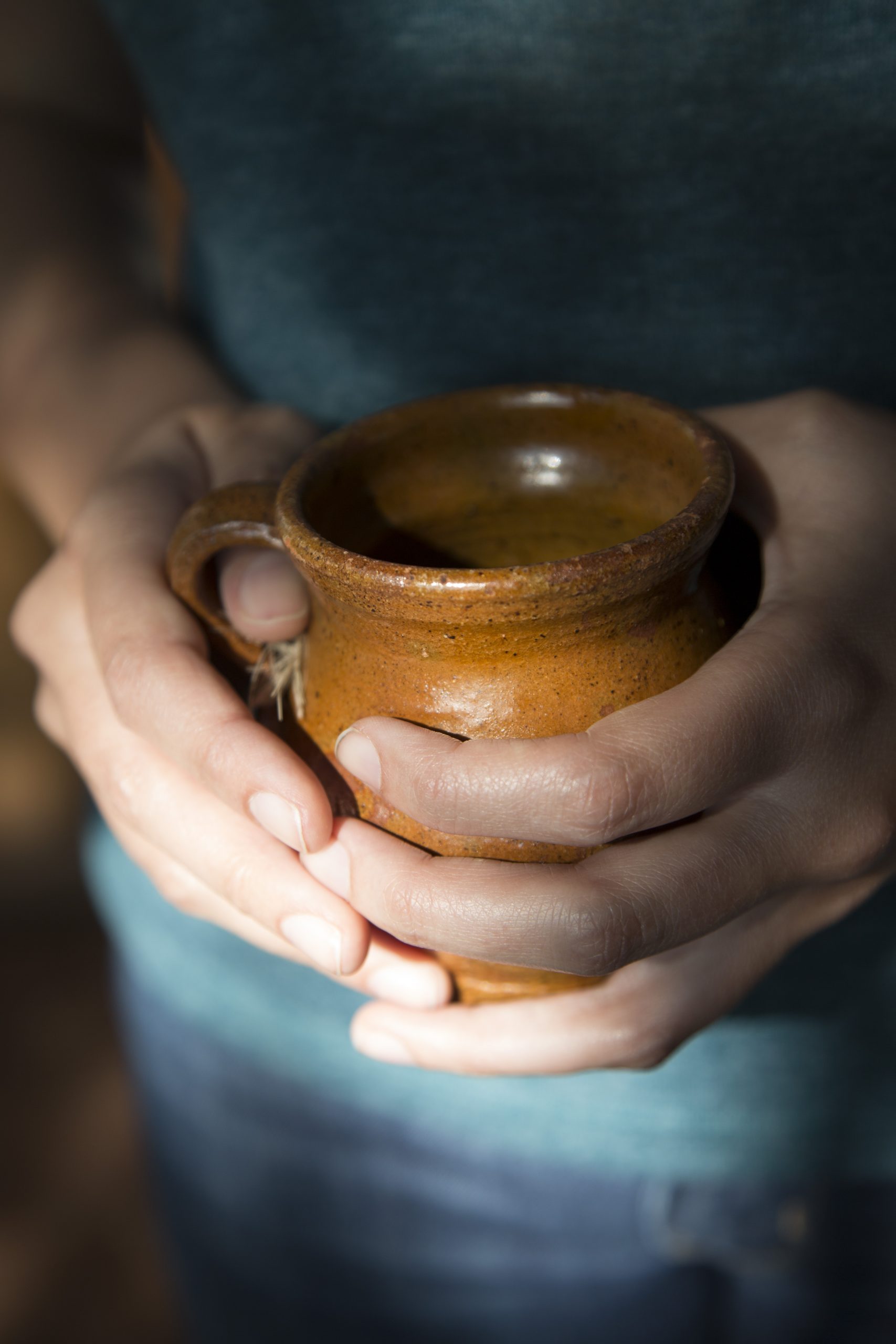
For the Maya, cacao was more than a treat:
a living being that they invited into their ceremonies – drunk with gratitude, mindfully and slowly.
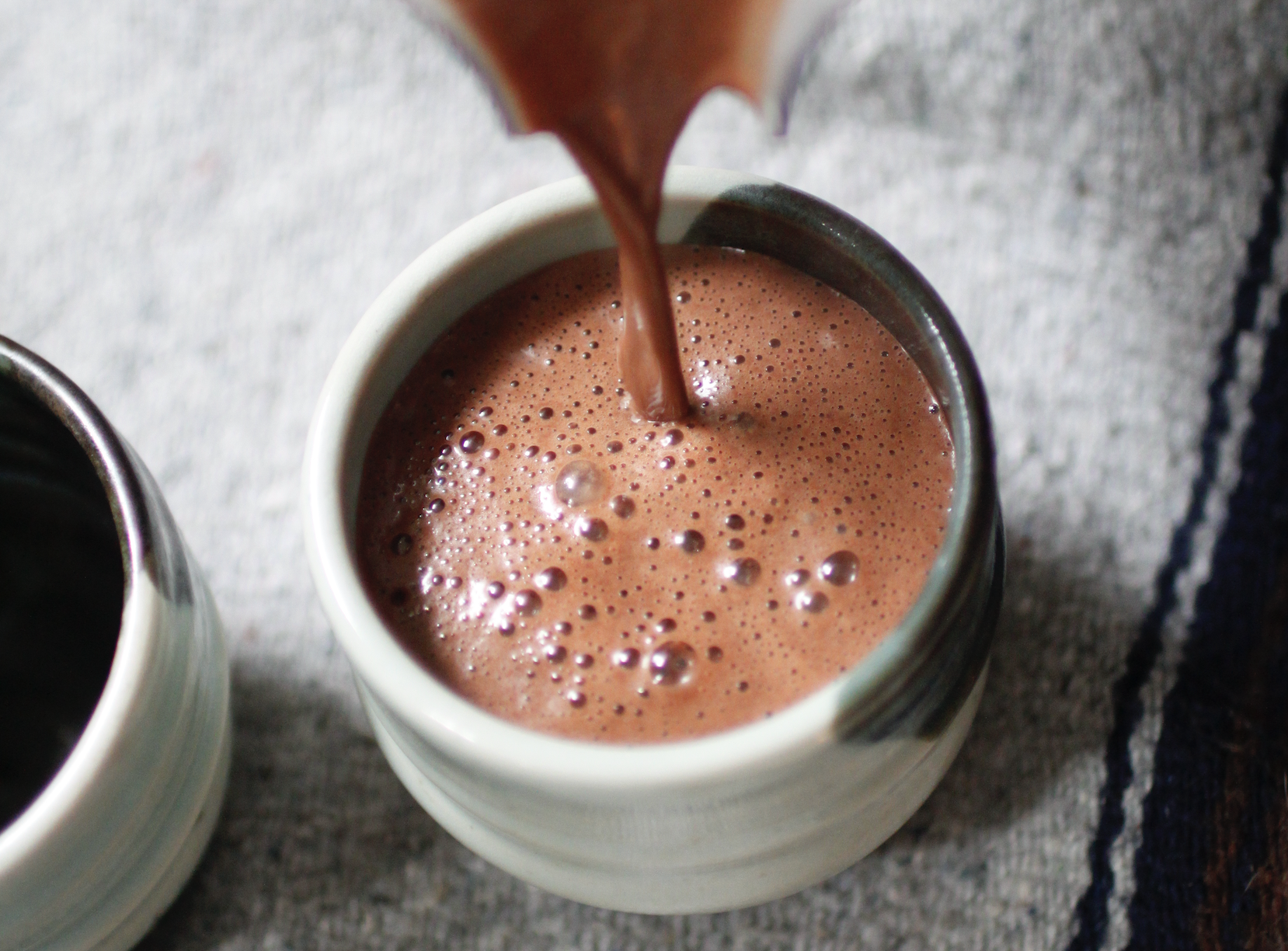
At the moment you’ll find the cacao products of these two farms here.
The shop will keep growing in the near future – stay tuned to see how our network grows.
Ceremonial cacao is the whole bean, fermented and gently roasted, then stone-ground into a block – with everything that’s in it, including the cocoa butter. Ordinary cocoa powder is usually defatted and alkalised, which loses most of its flavanols and character.
Our cacao is neither defatted nor alkalised – no sugar and no additives of any kind.
In most cases, the term ‘raw cacao’ refers to cacao that has been gently processed: light roasting, no defatting, no industrial processing. Truly raw cacao is rare – fermentation alone produces temperatures of up to 60 °C, and the cacao is then usually roasted to loosen the shells of the beans. Our DaliLeo farm also makes a very gently fermented cacao that is as close to raw as possible.
Truly raw cacao – without fermentation and without roasting – is usually not what people mean when they talk about raw cacao. It’s a big topic, and we’ll write a separate article about it in future.
To get to know it, 20–25 g; for your daily cup, 25–40 g; for a ceremony, 40–45 g.
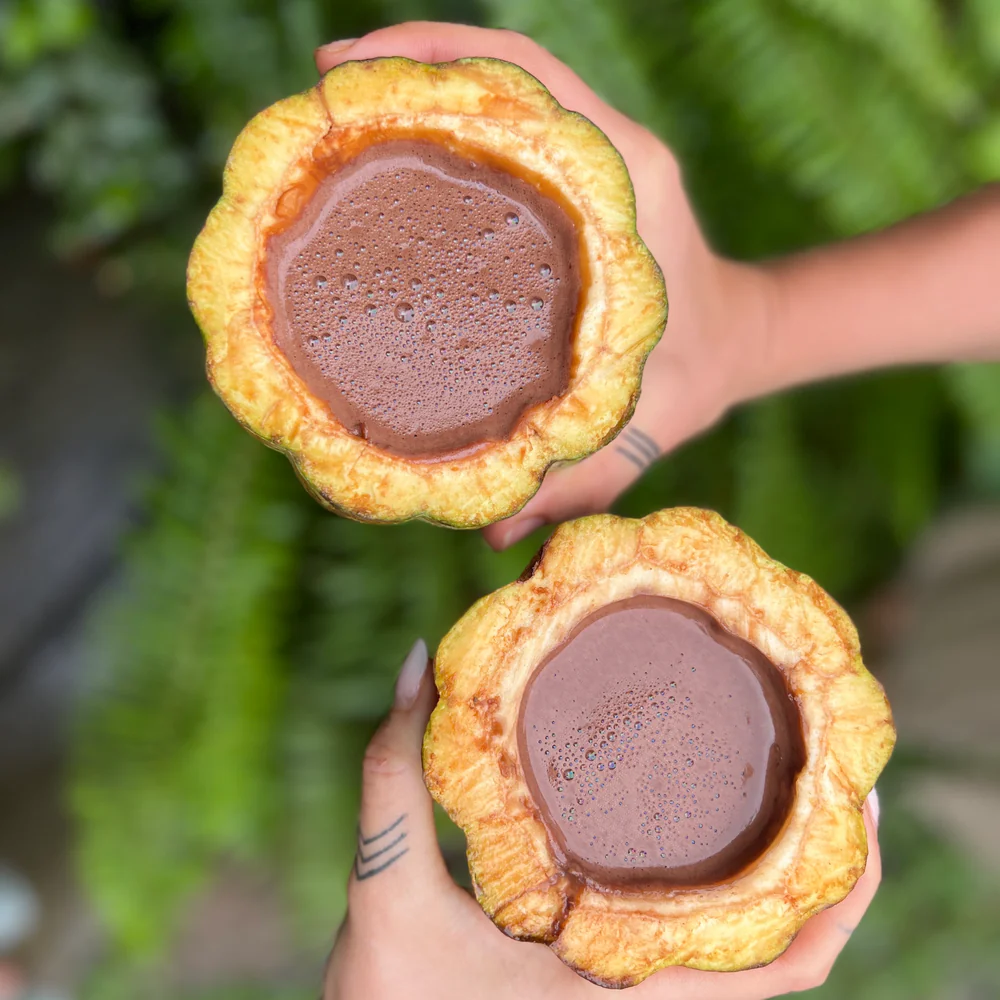
Finely chop or grate the block and stir it into 125–200 ml of hot (not boiling) water until the surface is glossy.
Personally, we like it with a little less liquid – it becomes thicker, almost syrupy, and tastes more alive.
The stimulant in cacao is called theobromine: related to caffeine, but gentler and longer-lasting
– without the peak and the crash. Cacao contains only a very small amount of caffeine, far less than an espresso.
That’s why many people drink it in the morning instead of coffee.
DaliLeo’s cacao is a 100% block, gently fermented and gently roasted – which makes it mild and hardly bitter. Its natural cocoa butter content gives it a creamy note.
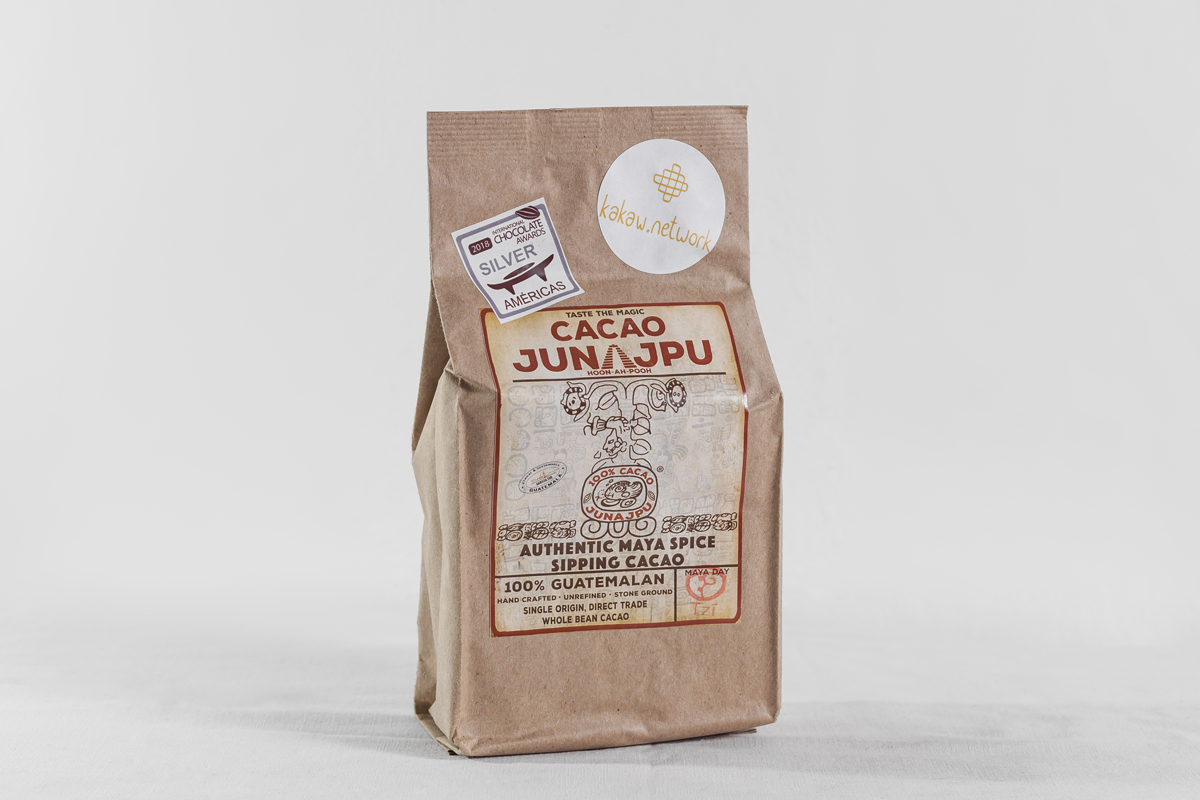
Cacao Jun Ajpu, on the other hand, is a spiced drinking chocolate inspired by Maya ceremonies: with cinnamon, chilli, vanilla and a little Panela (unrefined whole cane sugar). Its aroma is spicy and warming, with a gentle heat and a delicate sweetness.
If you like it pure, choose DaliLeo; if you like it spiced, choose Jun Ajpu.
If you are pregnant, have heart problems or high blood pressure, or take medication regularly (especially antidepressants), please check with your doctor first.
Cacao is a food, not a medicine – but in ceremonial amounts you will feel it. Less is often more.
Cool, dry and dark – a kitchen cupboard is fine, no need for a fridge. Well sealed, the block keeps for many months. A pale sheen on the surface is cocoa butter that rises when the temperature changes – not a sign of poor quality.
From two producers in Guatemala: DaliLeo’s Finca El Porvenir in Alta Verapaz and the Cacao Jun Ajpu workshop in Antigua. Harvesting, fermentation, roasting, grinding and packing all take place entirely in Guatemala. We sell the finished products directly – the value stays in the country of origin.
We ship from Germany. Within the EU, delivery usually takes 2–3 working days; we also deliver to the UK and Switzerland. You can see shipping costs and payment methods in your basket.
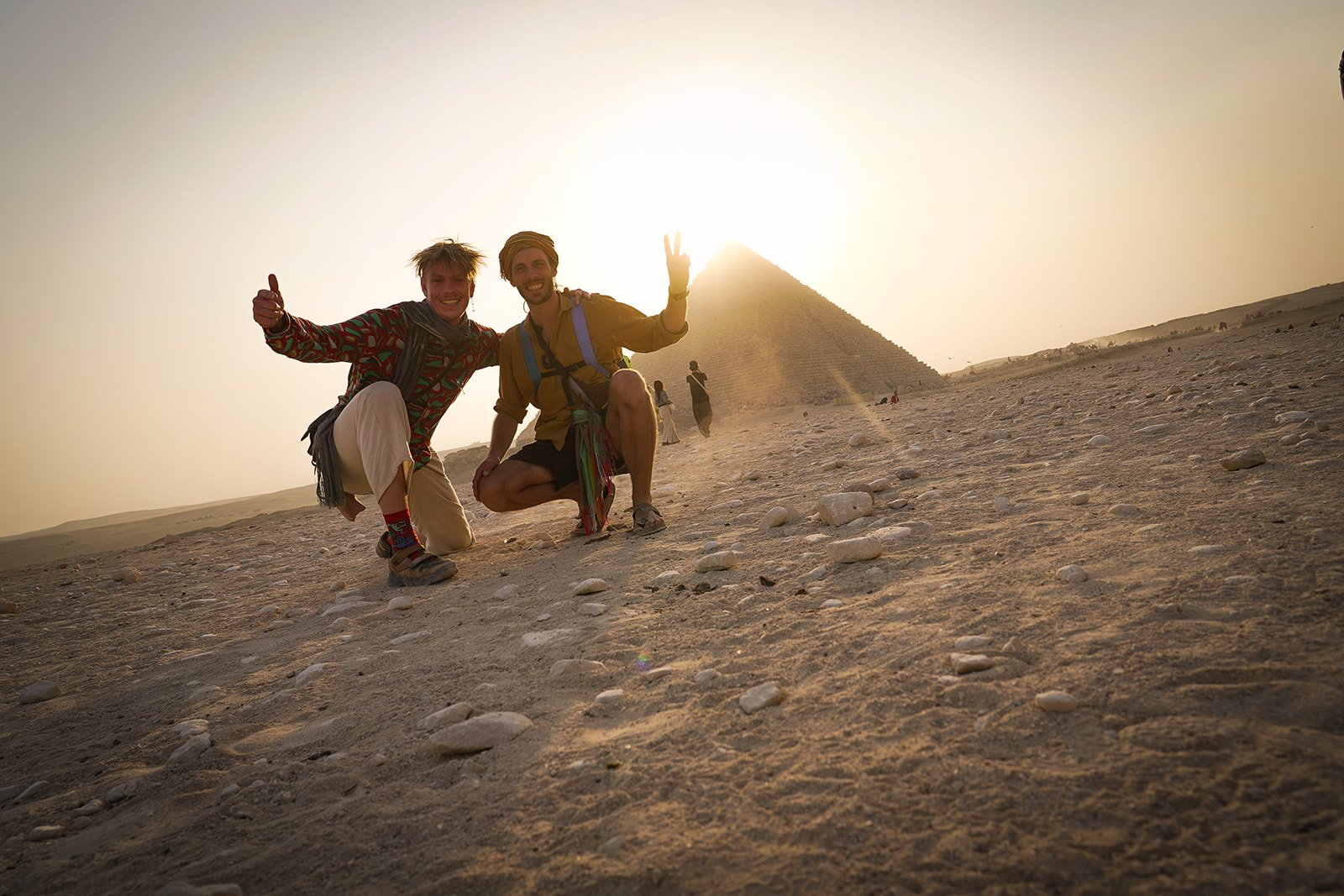
We are Marc & Bruno. We follow our flow, face the challenges of our time and share what we experience along the way. In films, projects and encounters.
“We see a future where we live as one, when you see it too the future has begun.”
Harvests, new products, ceremonies – not often, but with love.